
A pair of shoes can remain useful long after its original owner stops wearing it. Perhaps the soles are worn, the fit is no longer comfortable or the owner has simply replaced them. But does that mean the footwear has reached the end of its useful life?
Not necessarily. Depending on its condition, footwear may be suitable for donation, refurbishment or upcycling. Some materials may also be recovered for other applications. The right approach depends on what remains usable and how the item can be processed.
Responsible consumption begins before disposal. It involves making thoughtful purchasing decisions, looking after the products we own and considering how they can be used again when we no longer need them.
Keeping Footwear in Use for Longer
One way to reduce footwear waste is to extend the useful life of the shoes we already own. Choosing durable footwear, cleaning it regularly and storing it properly can help maintain its condition. Minor repairs may also prevent a usable pair from being discarded too early.
When footwear is no longer needed, its condition should guide the next decision. Wearable shoes may be donated, while those that need repairs could be suitable for refurbishment. If the original function cannot be restored, upcycling or recycling may offer alternatives, depending on the materials and available recovery methods.
Reuse and Donation Give Footwear Another Purpose
A pair of shoes that no longer suits one person may still be useful to someone else. Reuse allows footwear to continue serving its original purpose, while donation connects suitable items with people who need them.
However, responsible donation involves more than passing on unwanted belongings. Items must meet the receiving organisation’s acceptance requirements to ensure they can be used or processed appropriately.
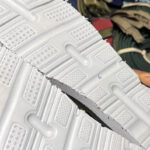
Greensole Foundation accepts various types of footwear, including flat soled shoes, sandals, sports shoes, slippers and formal or casual shoes. It does not accept women’s heels, footwear with broken soles, football studs or footwear intended for children below six years of age.
Checking these requirements before donating helps ensure that contributions are suitable for the foundation’s collection programme.
When Footwear Needs a Different Recovery Approach
Not every pair of shoes can be donated for direct use. Worn soles, damaged components and mixed materials can make recovery more complicated.
Refurbishment involves repairing or restoring a product so that it can be used again. Upcycling transforms discarded products or materials into useful items, while recycling processes materials for further use in new products or applications. Although all three approaches support resource recovery, they involve different processes.
Footwear can be particularly challenging because it often combines rubber, foam, textiles, synthetic leather and adhesives. These components may be difficult to separate, and the appropriate recovery method depends on the footwear’s construction and condition.
Assessing each item helps determine whether it can be restored, whether its materials can be used for another application or whether a different waste management route is needed.
How Greensole Foundation Supports Footwear Recovery
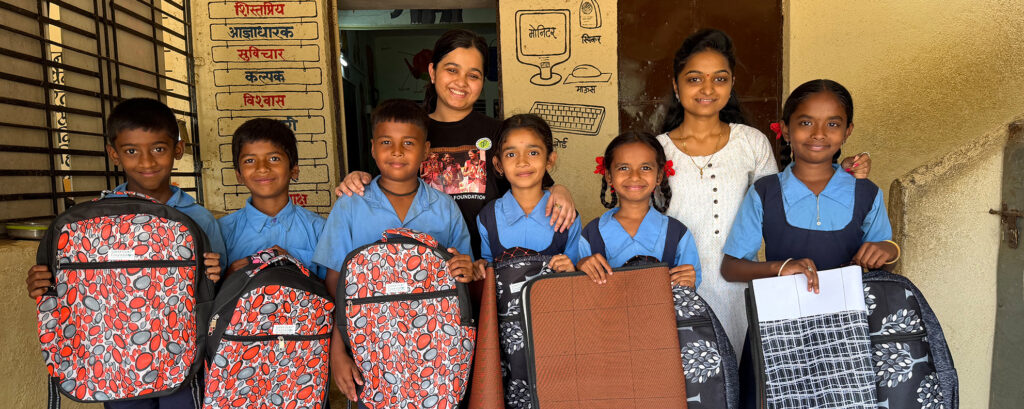
Greensole Foundation is a registered not for profit organisation dedicated to environmental sustainability and social impact. Since 2016, it has focused on upcycling discarded footwear and industrial waste into slippers, school bags and mats for children in need across India.
Its collection network brings together contributions from corporate partners, educational institutions, residential societies, retail outlets and collection drives. The collected materials are sorted, sanitised and assessed for their suitability for further use.
Suitable footwear is refurbished or upcycled into comfortable slippers, while industrial textile waste can be transformed into school bags and mats. The process varies according to the material and its potential application.
The foundation has also worked with discarded materials beyond footwear. Its Flex to Bag initiative with DBS Bank involved converting discarded advertising flex into bags for children in rural schools. This demonstrates how materials originally used for one purpose can be put to practical use elsewhere.
Turning Recovered Materials into Community Benefits
The value of material recovery extends beyond reducing waste. Products made from recovered resources can also meet practical needs within communities.
Greensole Foundation distributes slippers, bags and mats to children in need through its initiatives and partnerships. This connects environmental action with access to useful everyday items.
The organisation also supports livelihood development. Through a collaboration with Tata Steel and Lions Club Noamundi, it established a skill development centre in 2018 to train and employ local people in footwear refurbishment.
These initiatives bring environmental and social objectives together. Alongside recovering suitable materials, the work creates opportunities for skills development and employment, helping connect resource recovery with community participation.
How to Donate Footwear and Clothes Responsibly
Individuals, businesses, schools and residential communities can contribute to collection efforts. Following the foundation’s donation guidelines helps ensure that items are prepared appropriately before they enter the collection system.
1. Footwear donation guidelines
Accepted footwear includes:
- Flat soled shoes
- Sandals
- Sports shoes without studs
- Slippers
- Formal and casual shoes
The foundation does not accept:
- Women’s heels
- Footwear with broken soles
- Football studs
- Footwear intended for children below six years of age
Donors should tie pairs of shoes together before dropping them off or arranging a courier to an eligible collection centre or the foundation’s factory.
2. Clothing donation guidelines
Greensole Foundation accepts different types of clothing, including new and gently worn items. Clothes should preferably be washed before donation. Light stains and small holes are acceptable under the stated guidelines.
Businesses and institutions can also organise workplace collection drives, establish collection points and share donation instructions with participants. Clear guidance helps donors understand what can be contributed and supports more efficient sorting.
Looking Beyond Disposal
Responsible consumption involves considering a product’s life beyond its initial use. Buying thoughtfully, maintaining belongings and donating suitable items can all help reduce unnecessary waste.
For footwear, the next step depends on its condition. Wearable pairs may be reused, damaged footwear may require refurbishment, and suitable materials may be upcycled or recycled. No single method is appropriate for every item.
Greensole Foundation’s work illustrates how collection and material assessment can help identify practical uses for discarded footwear and industrial waste. Its initiatives also connect recovery efforts with community distribution and livelihood development.
Conclusion
Responsible consumption starts with the decisions made before a product becomes waste. Choosing durable products, caring for them properly and considering suitable recovery options can help extend their useful life.
For unwanted footwear and clothing, following donation guidelines is an important part of the process. Suitable items can be passed on or assessed for further use, while other materials may require different recovery methods.
Through its work with discarded footwear and industrial waste, Greensole Foundation demonstrates how resource recovery can support environmental sustainability and provide useful products to children in need. Before discarding an item, considering whether it can serve another purpose is a practical first step towards more responsible consumption.