
What happens to a pair of shoes when it is no longer wearable? It may seem like the only option is to throw it away, but that is not always necessary. A pair with worn soles may still have usable uppers, while footwear in good condition could be passed on to someone else. In other cases, the materials may be suitable for making something entirely different.
These possibilities reflect four approaches to resource recovery: reuse, refurbishment, repurposing and recycling. Although the terms are often used interchangeably, each describes a different process. Understanding how they work helps individuals and organisations decide what to do with unwanted products before sending them for disposal.
What Is Reuse?
Reuse means using a product again for its original purpose, with little or no alteration.
For example, footwear that remains in good condition can be donated to someone who needs it. The same applies to clothing, bags, furniture and other everyday items. Rather than being discarded, these products continue to serve their intended purpose.
Condition matters, however. Donated footwear should be clean, safe and suitable for another person to wear. When these requirements are met, reuse offers a straightforward way to extend a product’s useful life without requiring extensive processing.
What Is Refurbishment?
Refurbishment involves repairing, cleaning or restoring a product so that it can be used again. Unlike reuse, it requires some work before the item is ready for further use.
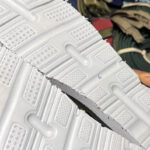
Footwear is a useful example. The soles of a pair of shoes may be worn out even when the uppers remain in good condition. Depending on the construction and extent of the damage, restoring or replacing certain components may make the footwear usable again.
Greensole Foundation’s footwear recovery work reflects the value of assessing discarded shoes before deciding their next destination. By refurbishing suitable footwear and adding new materials where required, the organisation helps turn unwanted shoes into usable footwear for children in need.
What Is Repurposing?
Repurposing gives a product or material a different use instead of returning it to its original function.
Consider discarded textile material that is no longer suitable for its initial application. If its condition and properties allow, it could be used to make bags or mats. The material remains useful, but what it does changes.
This is the main distinction between repurposing and refurbishment. Refurbishment aims to restore a product for its original purpose, whereas repurposing finds another practical use for it.
The approach is particularly useful for materials that still have value but cannot reasonably be returned to their previous role.
What Is Recycling?
Recycling involves processing waste materials so that they can be used in new products or applications. Paper, glass, metals and certain plastics are common examples, although the methods used vary according to the material.
Footwear presents a more complex challenge. A single pair may contain rubber, foam, textiles, synthetic leather, adhesives and other components. Separating these materials can require specialised processes, and not all footwear can be recycled through the same systems.
This makes it important to consider other recovery options before treating a product as waste. If footwear can be reused or refurbished, its existing form and function may be retained. Where this is not practical, repurposing or recycling may offer alternatives, depending on the materials and facilities available.
Reuse vs Refurbishment vs Repurposing vs Recycling
The four approaches differ mainly in what happens to the product and whether its original purpose remains unchanged.
| Approach | What does it involve? | What happens to the original purpose? |
| Reuse | Using a product again with little or no change | Remains the same |
| Refurbishment | Repairing or restoring a product | Restored for continued use |
| Repurposing | Adapting a product or material for another application | Changes |
| Recycling | Processing materials for further use | The original product is broken down or transformed |
The condition and composition of an item help determine which route is appropriate. Wearable shoes may be donated, while footwear with damaged components may need restoration. Materials that cannot serve their original purpose could be considered for another application or recycling, provided a suitable process is available.
Where Does Upcycling Fit In?
Upcycling involves transforming discarded products or materials into useful items while retaining value from what already exists. It is closely related to repurposing, although the emphasis is on creating something useful from material that might otherwise go to waste.
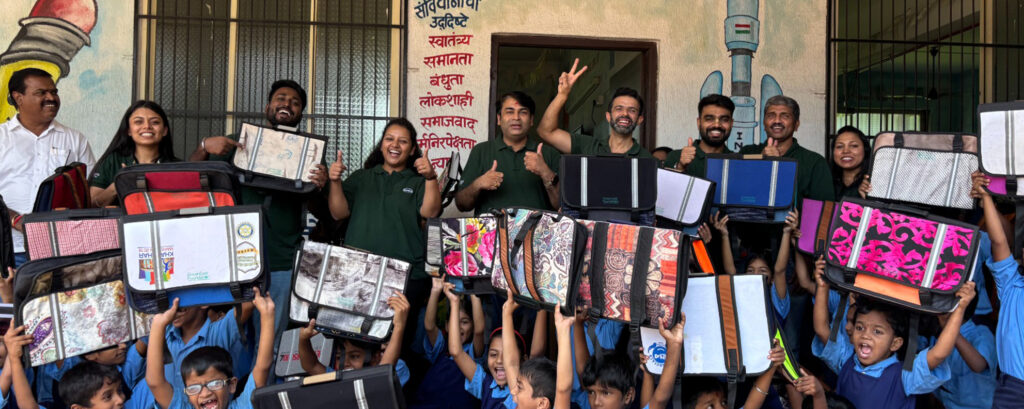
Greensole Foundation has been working in this area since 2016. Its initiatives involve upcycling discarded footwear and industrial waste into slippers, school bags and mats for children in need across India.
Its work also highlights an important consideration: different materials require different recovery methods. Footwear may be suitable for refurbishment or upcycling, while discarded industrial materials may find a new application in another product. The process depends on the material’s condition, composition and intended use.
How Greensole Foundation Supports Material Recovery?
Recovering discarded materials involves more than collecting unwanted items. They must also be assessed to determine what can be used and which process is suitable.
Greensole Foundation works with discarded footwear and other materials, turning suitable resources into products with practical applications. Recovered footwear is used to create slippers, while industrial waste can be transformed into school bags and mats.
These products are distributed to children in need, connecting waste recovery with access to everyday essentials. The approach brings together environmental sustainability and community support by giving suitable discarded materials a useful role beyond their original purpose.
Why Does the Choice of Recovery Method Matter?
Not every discarded product can be recovered in the same way. Its condition, construction and material composition influence what can be done with it.
For individuals, this may mean donating wearable footwear instead of throwing it away. For businesses, it could involve organising collection drives and identifying ways to recover materials from unwanted products.
Collection guidelines are also important. Greensole Foundation accepts most types of footwear, excluding shoes with heels, sports stud shoes and footwear for children below six years. Donors should tie their shoes together before dropping them off at a collection centre or couriering them to a listed centre or the foundation’s factory. Those who wish to support its work can donate ₹209 towards the refurbishment and donation of an upcycled pair of footwear, or ₹697 towards a bag, a mat and a pair of slippers for a child in need.
Assessing materials at the outset helps direct them towards suitable applications. It also prevents the assumption that every collected item can be restored, repurposed or recycled through the same process.
Conclusion
Reuse, refurbishment, repurposing and recycling all provide ways to manage unwanted products, but they serve different purposes. Reuse keeps a product in circulation, refurbishment restores it, repurposing gives it a new application, and recycling recovers materials for further processing. Upcycling offers another route by transforming existing materials into useful products.
The right choice depends on what remains usable and which recovery methods are available. Greensole Foundation’s work with discarded footwear and industrial waste illustrates how suitable materials can be given another purpose while supporting children in need. Looking beyond disposal helps individuals and organisations make more considered decisions about the resources they no longer use.