

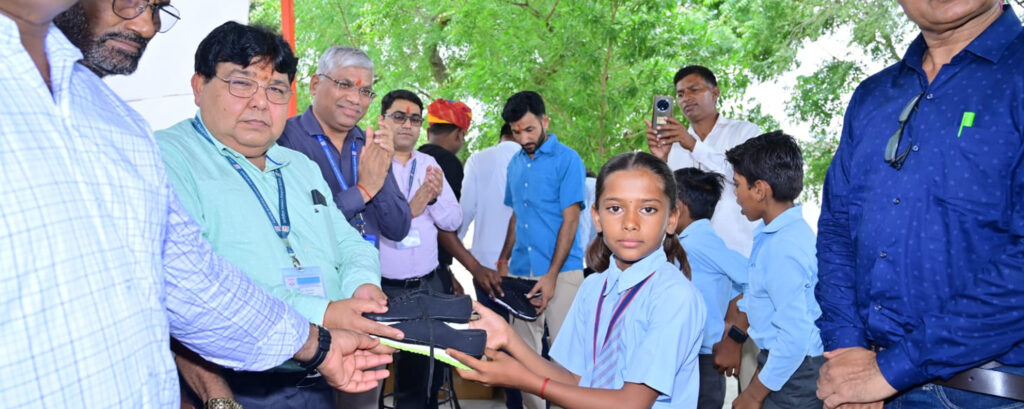
A pair of unwanted shoes may still be useful, even when its owner no longer needs it. The same can be true of discarded advertising banners and other materials left over from commercial activities. Instead of sending everything to waste, some of these materials can be collected and repurposed.
Making that happen requires coordination. Individuals can donate unwanted footwear, companies can support collection drives, and community organisations can help identify where recovered products are needed. When these efforts come together, resource recovery becomes a shared responsibility that can benefit both the environment and local communities.
Why Community Partnerships Matter in Resource Recovery
One of the challenges in resource recovery is connecting discarded materials with suitable recovery options. People may be willing to donate unwanted items but lack convenient collection points. Organisations, meanwhile, need a steady supply of suitable materials and the resources to process them.
Community partnerships help bridge this gap. Residential societies can organise collection drives, schools can involve students and families, and companies can encourage employees to participate. Each contribution helps move materials towards a suitable next use.
Greensole Foundation follows this approach by upcycling discarded footwear and industrial waste into products such as slippers, school bags and mats for children in need. Its work connects waste recovery with a practical social purpose, demonstrating how materials that are no longer needed in one setting can become useful elsewhere.
How CSR Collaborations Support Resource Recovery
Corporate social responsibility (CSR) collaborations can provide the support needed to organise and expand recovery programmes. Companies may contribute funding, unwanted materials, employee volunteers or assistance with distributing finished products.
The form of support depends on the initiative. A company might organise a footwear collection drive across its offices, while another could provide suitable discarded materials for upcycling. Some organisations may choose to sponsor products for children or involve employees in community activities.
These contributions serve different purposes. Collection drives bring materials into the recovery process, financial support helps fund programme activities, and volunteering encourages wider participation.
For Greensole Foundation, corporate partnerships provide opportunities to connect environmental initiatives with community needs. Companies can contribute through organised collection drives, sponsorships and other forms of participation, helping support the foundation’s work while encouraging more responsible resource use.
The value of such collaborations lies in their continuity. When companies remain involved beyond a single campaign, recovery programmes can plan their activities more effectively and build stronger connections with participating communities.
From Collection to Resource Recovery
Collecting discarded materials is only the beginning. Before anything can be reused or repurposed, its condition and suitability need to be assessed.
Footwear provides a useful example. A pair of shoes may have worn soles but upper sections that remain usable. Depending on its condition, it may be suitable for refurbishment. Other items may require a different recovery method, while unsuitable materials need to be separated.
Greensole Foundation sorts and assesses collected footwear before determining its next use. Suitable footwear can be refurbished into slippers, while other recovered materials may be used to create products such as bags and mats.
This assessment helps ensure that collected materials are directed towards appropriate uses. It also highlights why donation guidelines matter. When donors understand what an organisation accepts and how items should be prepared, the collection process becomes easier to manage.
Turning Discarded Flex into Bags and Mats
Footwear is not the only material that can be recovered. Businesses regularly use flex banners and advertising displays for campaigns, events and promotions. Once these displays are no longer needed, finding an appropriate way to handle them can be challenging.
Greensole Foundation has explored an alternative by upcycling discarded flex into school bags and mats. Rather than treating the material solely as waste, the initiative gives suitable flex a new purpose.
Its collaboration with DBS Bank provides an example of how this approach can work. The partnership supported the creation and distribution of bags and mats made from upcycled flex for children in Palghar, Maharashtra.
The initiative connects two needs: managing discarded commercial materials and providing useful products for children. It also illustrates how companies can contribute to resource recovery beyond conventional footwear collection drives.
Such collaborations require more than the availability of discarded materials. The material must be suitable for processing, and the finished products need to meet their intended purpose. When these requirements are addressed, corporate participation can support both waste recovery and community development.
How Individuals Can Contribute
Individuals are an important part of resource recovery because many collection programmes begin with items that people no longer need.
Someone with unwanted footwear can donate it through an appropriate collection programme or organise a drive within their residential society, school or local community. Greensole Foundation provides guidance on footwear donations, including instructions for preparing items and checking which types are accepted.
There are other ways to participate, too. Individuals can support fundraising activities, sponsor products for children in need or encourage friends and colleagues to contribute. Community groups can also pool their resources to support a shared initiative.
Not everyone needs to contribute in the same way. Some people may have suitable footwear to donate, while others can offer financial support or volunteer their time. Together, these efforts can help recovery programmes reach more people.
Connecting Recovered Materials with Community Needs
Recovering materials is only part of the process. The products created from them must also reach people who can benefit from them.
Schools and community organisations can help establish this connection because they often understand local needs. They may know which children require educational supplies or which communities could benefit from a distribution programme. Their involvement can help recovery organisations plan their activities more effectively.
Schools also offer an opportunity to introduce students to responsible consumption. A collection drive can show them that a product no longer needed by one person may still be useful to someone else. This encourages them to think more carefully about reuse, donation and waste.
Greensole Foundation works with schools and other institutions to connect upcycled products with children who need support. By considering community needs alongside material recovery, the foundation links environmental action with practical outcomes.
Understanding the Impact of Resource Recovery
The success of a recovery programme cannot be judged by the amount of material collected alone. It is also important to consider what happens after collection, how much material can be processed and whether the resulting products serve a useful purpose.
Environmental benefits may include diverting suitable materials from disposal and reducing the need for certain new resources. However, claims about carbon savings or waste reduction should be based on reliable assessments rather than assumptions.
The social outcomes matter just as much. Refurbished slippers can improve access to footwear, while upcycled bags and mats can provide useful items for children.
Tracking the materials collected, products created and items distributed helps organisations understand what their programmes achieve. It also allows partners to see how their contributions support the initiative’s environmental and social objectives.
Building Partnerships That Last
A collection drive can bring people together, but maintaining participation requires ongoing effort. Companies can organise regular drives, schools can continue awareness activities, and community organisations can help identify suitable materials and local needs.
Each participant has a different responsibility. Companies may provide funding or coordinate employee participation, individuals can donate suitable materials, and community organisations can help connect products with potential beneficiaries. Recovery organisations then assess and process the materials before determining their next use.
Clear communication helps keep these activities organised. Donors need to know which items are accepted, partners should understand how collections will be handled, and everyone involved should have a shared understanding of the programme’s purpose.
When these arrangements work well, partnerships can continue beyond individual campaigns. They help create a more dependable recovery system built around shared environmental and social goals.
Conclusion
Resource recovery works best when material collection, suitable processing and community needs are connected. Community partnerships help bring these elements together, allowing individuals, companies, schools and non profit organisations to contribute in different ways.
Greensole Foundation’s footwear recovery work and its flex to bag and mat initiative with DBS Bank demonstrate how discarded materials can be given another purpose while supporting children in need. These efforts show that resource recovery is not simply about collecting waste. It is about finding suitable ways to use what would otherwise be discarded.
With coordinated participation and the right recovery methods, unwanted materials can become useful products. Community partnerships help make that possible by connecting resources with people and purposes that matter.