
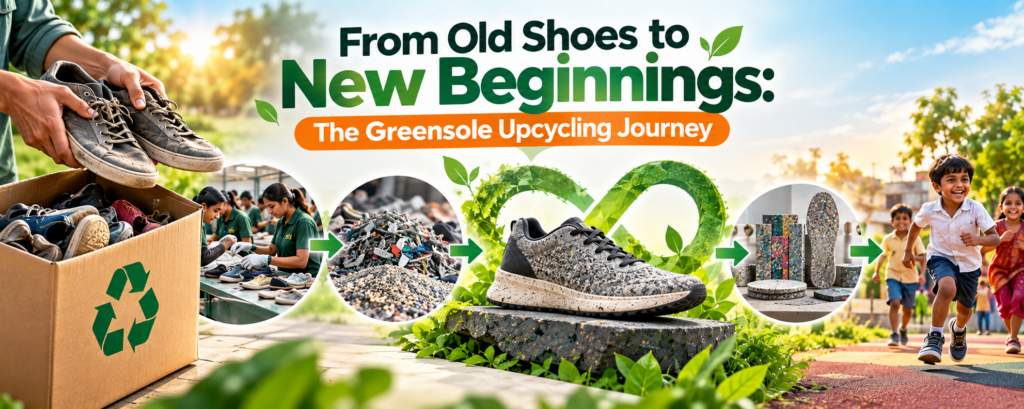
What happens to a pair of shoes after it is no longer used? In a conventional waste system, footwear may simply be discarded. Greensole Foundation takes a different approach by collecting suitable discarded footwear and apparel and using upcycling as a way to extend the useful life of these materials.
Since 2016, Greensole Foundation has worked on environmental sustainability and social impact by upcycling discarded footwear and industrial waste into products such as comfortable slippers, school bags and mats. Its approach connects waste collection with product development, community programmes and livelihood opportunities.
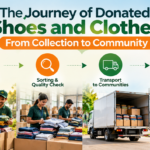
The process involves several stages. From collection and material assessment to upcycling, quality checks and community distribution, each stage contributes to keeping suitable materials in use for longer.
A Different Approach to Discarded Footwear
Footwear can contain several materials and components, including rubber, fabric and other synthetic materials. Once a pair is no longer required by its owner, it does not necessarily mean that every part has reached the end of its useful life.
Upcycling focuses on identifying opportunities within these discarded materials. Instead of treating suitable footwear and textile waste only as disposal material, the materials can be processed and incorporated into useful products.
This approach forms part of Greensole’s circular economy model. The organisation’s stated mission includes upcycling discarded footwear and waste materials into usable products, distributing essentials such as slippers, bags and mats to underserved communities, creating livelihood opportunities and promoting responsible consumption.
Bringing Discarded Shoes Into the Collection System
The first practical stage is collection. Individuals, companies, schools, residential communities and other institutions can contribute suitable footwear and apparel through collection centres and organised collection drives.
Collection drives make it possible to bring together discarded materials from multiple sources. Once collected, the materials can be sent through the designated system for further handling.
For donors, preparation is important. Shoes should be paired together and cleaned where possible, while clothes should be washed before donation. Items outside the organisation’s current acceptance guidelines should not be included.
The quality and suitability of the collection directly affect what can be done with the material later.
Sorting the Collected Materials
A collection bag can contain different types of footwear and apparel. They therefore need to be assessed before further processing.
Sorting helps identify materials according to their condition, type and potential application. Suitable footwear can move towards refurbishment or upcycling, while textile materials can be assessed separately.
This stage also helps remove items that cannot be processed through the programme. A responsible collection system is not about accepting everything. It is about ensuring that suitable materials enter the right processing route.
From Footwear to Useful Products
Once suitable footwear has been identified, it can move into the upcycling process. Greensole’s model uses discarded footwear to create comfortable slippers.
The transformation requires practical, hands-on work. Materials need to be prepared and processed, with different activities involved in converting discarded footwear into a product that can be used again.
Upcycling is therefore not simply a matter of changing the appearance of an old shoe. It involves material handling, machinery, preparation, assembly and quality control.
The result is a product prepared for practical use rather than being sent directly for disposal.
Apparel and Textile Waste Have a Role Too
Greensole’s work extends beyond footwear. Its model also includes apparel and industrial textile waste.
Suitable textile materials can be converted into products such as school bags and mats. This allows different types of discarded material to be considered for different applications rather than processing everything through a single route.
The Flex to Bag and Mat initiative is another example of this approach. In 2023, Greensole collaborated with DBS Bank to upcycle discarded advertising flex into bags for children in rural schools.
Advertising flex is often used temporarily and can be replaced regularly. Repurposing this material provides another example of how a material designed for one purpose can be considered for a different application.
The People Behind the Upcycling Process
Upcycling also involves people. It requires workers with practical skills to operate machinery and carry out different stages of the refurbishment process.
Greensole established its first Skill Centre in 2018 in collaboration with Tata Steel and Lions Club Noamundi. The centre provides training in machinery operation and the complete refurbishment process.
The Skill Centre supports six families and aims to skill more than 100 people every year. The organisation also aims to expand this model by establishing 30 Skill Centres across India.
Skill development is therefore an important part of the organisation’s approach. The practical work involved in upcycling also creates opportunities for livelihood development.
Quality and Hygiene in Product Preparation
Upcycling a discarded product does not remove the need for quality standards. Products intended for community programmes need to be prepared with appropriate hygiene, safety and quality considerations.
Greensole’s approach includes these aspects as part of its production activities. Materials are handled and processed before finished products are prepared for distribution.
Quality checks are particularly relevant when products are intended for regular use by children and communities. The objective is to ensure that the finished products are suitable for their intended application.
Connecting Upcycled Products With Communities
The final stage of the journey is distribution. Once products have been prepared, they can be used in community-focused donation programmes.
Greensole conducts need assessments and works with government schools, low-income schools and other community settings to identify beneficiaries who require footwear and related essentials. Products such as slippers, school bags and mats can then be distributed through organised programmes.
This creates a connection between the original collection and its eventual use. A pair of discarded shoes collected through a donation drive becomes part of a wider system involving material recovery, production and community distribution.
Sustainability and Social Impact Together
Greensole’s vision focuses on ensuring that underprivileged people in India have access to basic necessities while reducing environmental waste through sustainable practices.
Its values also highlight sustainability, empathy, integrity, innovation and collaboration. These principles are reflected in the way collection, upcycling, skills development and community programmes are brought together.
The organisation states that its circular economy model addresses two areas at the same time: reducing non-biodegradable waste and providing essential resources to underserved communities.
This model also supports broader sustainability objectives, including responsible consumption and production and climate action.
Looking Ahead With a Circular Approach
Greensole’s future plans include expanding collection drives, strengthening CSR partnerships, introducing innovative upcycled products, improving technology and impact tracking, increasing environmental benefits, creating more livelihood opportunities and expanding skill development centres.
These areas show that footwear upcycling can be part of a wider circular economy strategy. Collection is only the starting point. Continued participation from individuals, companies, schools and communities is needed to bring more suitable materials into the system.
How You Can Support the Upcycling Journey
Individuals can contribute by reviewing unused footwear and clothing at home and separating items that meet the current collection requirements. Companies and institutions can organise collection drives to involve employees, students or community members.
Before donating, check the latest acceptance guidelines and prepare only suitable items for collection.
If your items meet the requirements, you can donate old shoes and clothes through a nearby Greensole collection centre or designated collection channel. Always check the latest collection information before visiting, as collection locations and guidelines may change.
Conclusion
The Greensole upcycling journey demonstrates how discarded footwear and other materials can be incorporated into a structured circular economy model. Collection, sorting, material preparation, upcycling, quality checks, skill development and community distribution each have a distinct role.
The approach goes beyond footwear. Apparel, industrial textile waste and materials such as discarded advertising flex can also be considered for new applications where suitable.
For individuals and organisations, participation begins with responsible collection. Check what is accepted, prepare suitable items and donate them through an appropriate Greensole collection centre or designated collection channel. This allows discarded materials to enter an organised upcycling system while supporting wider environmental and social initiatives.