
Every pair of shoes leaves an environmental footprint long before it reaches someone’s feet. Raw materials have to be extracted. Components are manufactured, assembled, packaged, and transported across long distances before the finished product reaches consumers.
The journey does not end there.
Once shoes wear out, they are often discarded without a second thought. Millions of pairs eventually find their way into landfills, where many of the materials remain for decades because they do not decompose easily. Yet a large proportion of those shoes still contains valuable materials that can continue serving a purpose.
This is why shoe recycling has become an important part of sustainable waste management.
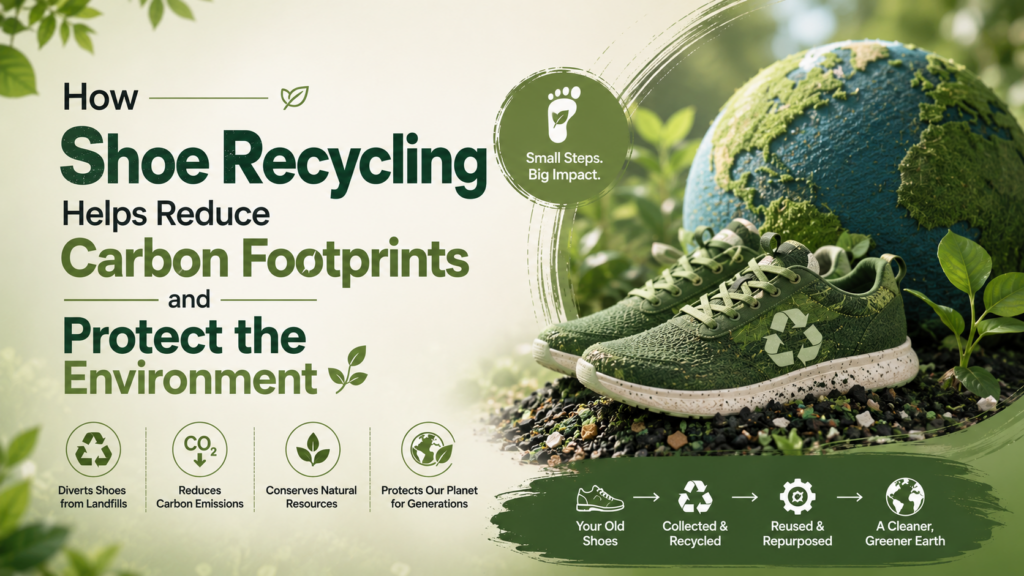
By recovering usable materials instead of manufacturing everything from scratch, shoe recycling helps reduce carbon emissions, conserve natural resources, and protect the environment while creating meaningful social impact.
Understanding the Environmental Cost of Footwear
Producing footwear requires far more resources than most people realise.
Rubber, foam, synthetic fabrics, adhesives, plastics, and other materials all require energy-intensive manufacturing processes. Water is consumed throughout production, while transportation adds another layer of carbon emissions before a pair of shoes even reaches the customer.
Then comes disposal.
Most footwear is made from several different materials that are bonded together, making conventional recycling extremely difficult. As a result, millions of discarded shoes accumulate in landfill sites every year, where they occupy valuable space and contribute to long-term environmental pollution.
Recovering these materials before they become waste reduces pressure on both natural resources and waste management systems.
Why Shoe Recycling Matters
Many shoes are discarded even though only one part has reached the end of its life.
In many cases, the sole wears out first while the upper portion remains perfectly usable. Rather than treating the entire shoe as waste, those materials can be carefully recovered and transformed into something useful again.
It is a simple idea.
Yet the environmental benefits are significant. Every recovered material reduces the demand for virgin resources, limits unnecessary manufacturing, and prevents usable components from ending up in landfill.
Small changes, repeated at scale, create meaningful environmental progress.
Giving Materials a Second Life
The process begins with collection.
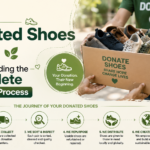
Individuals, schools, housing societies, and corporate partners donate used footwear through organised collection drives. Once the footwear reaches our facility, every pair is inspected, sorted, and evaluated to determine the best way it can be reused.
Some shoes are suitable for refurbishment and continue their journey as comfortable slippers. Others are dismantled carefully so their materials can be recovered and transformed into products such as school bags and mats.
Very little is wasted.
By recovering a significant percentage of usable materials, discarded footwear remains within the circular economy instead of becoming part of the growing landfill problem. Through this approach, Greensole Foundation has already distributed over 1,30,000 pairs of upcycled slippers, along with more than 95,000 school bags and 88,000 mats, ensuring that recovered materials continue creating value instead of becoming waste.
Building a Circular Economy
Traditional production follows a straightforward pattern. Products are manufactured, used, and eventually discarded.
A circular economy works differently.
Instead of allowing materials to reach the end of their life after one use, they are recovered, repaired, refurbished, and transformed into new products that continue serving communities. This extends the lifespan of existing resources while reducing the need to manufacture replacements.
The result is both practical and sustainable.
Recovered footwear becomes comfortable slippers. Discarded flex banners become school bags. Valuable materials continue creating value instead of becoming waste.
Reducing Carbon Footprints Through Material Recovery
Lowering carbon emissions is about more than switching energy sources.
It also involves reducing the need for new production. Every time existing materials are recovered and reused, fewer raw materials have to be extracted, processed, transported, and manufactured into new products.
That creates measurable environmental benefits. Greensole Foundation’s initiatives have already helped reduce approximately 3,682.34 tonnes of carbon emissions, demonstrating how extending the life of existing materials can make a measurable difference to the environment.
Some of the key outcomes include:
- Reduced landfill waste
- Lower demand for virgin raw materials
- Reduced manufacturing emissions through material reuse
- Conservation of energy and natural resources
- Support for circular economy practices
Together, these improvements help reduce the overall carbon footprint associated with footwear.
Measuring Environmental Impact
Creating environmental change requires accountability as well as action.
Environmental impact is monitored by auditing the quantity of footwear and other discarded materials diverted from landfill. Carbon footprint assessments help measure the positive outcomes created through these initiatives, while detailed impact reports document product distribution, beneficiary data, and community outreach following donation drives.
This ensures transparency.
It also helps organisations understand the environmental value created through every contribution while identifying opportunities for continuous improvement.
Protecting the Environment While Improving Lives
The greatest strength of shoe recycling lies in its ability to solve more than one problem at the same time.
Recovered materials become products that support children in underserved communities. Comfortable slippers protect their feet from injuries and infections. School bags and mats improve everyday learning environments while supporting education.
The impact extends even further. Greensole Foundation’s environmental initiatives have already benefited more than 82,000 individuals through the distribution of upcycled kits, proving that responsible waste management can improve lives while protecting the planet.
The benefits do not stop there.
The refurbishment process also creates employment opportunities, encourages skill development, and supports sustainable livelihoods for local communities. Environmental protection and social development move forward together.
How You Can Help
Meaningful environmental action often begins with a simple choice.
Instead of throwing away old footwear, donate it. Encourage schools, housing societies, and workplaces to organise collection drives. Businesses can strengthen their sustainability commitments by supporting footwear collection through CSR partnerships.
Every pair matters.
The more footwear that is recovered, the fewer materials enter landfills, the lower the environmental impact becomes, and the more communities benefit from products created through upcycling.
Conclusion
At Greensole Foundation, shoe recycling is about much more than managing waste. It is about giving valuable materials a second life while reducing carbon footprints, conserving resources, and creating opportunities for people and communities.
Every donated pair contributes to a larger purpose. It protects the environment, supports sustainable livelihoods, and helps essential products reach children who need them most. With approximately 3,682.34 tonnes of carbon emissions reduced, more than 82,000 beneficiaries supported, and thousands of upcycled products distributed, every small contribution adds to a much larger environmental and social impact. Together, these actions prove that meaningful environmental change can begin with something as simple as an old pair of shoes.